

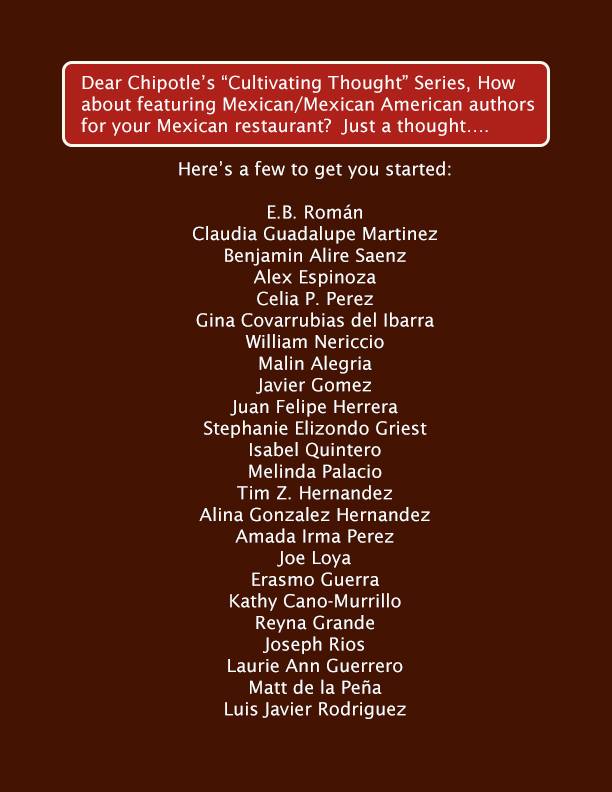
Last year, I read “The Sandoval Sisters,” an award winning historical fiction book by Sandra Ramos O’Briant and enjoyed it so much that I began to follow her blog, www.bloodmother.com. I was pleasantly surprised when she asked me to be part of a blog adventure initiated on Twitter #weneeddiversebooks and #diverselit, in which we answer four questions about our writing life.
In my third year of college, I took Criminal Justice classes and visited prisons and juvenile halls. I met many people who had backgrounds similar to my own: poverty, single parent homes, and abuse. Some of my friends achieved college degrees and became leaders, while others became gang members or drug addicts. This made me wonder what differentiated non-offenders from criminal offenders.
After college, I began my 28 year career in the California Youth Authority, now part of the California Department of Corrections, as a Youth Counselor. Later, as a Manager, I wrote gender responsive treatment programs for young women and established an area for them to meet, discuss, and learn about themselves in a supportive environment. Their experiences and my own made their way into my stories.
1-What are you working on?
My Young Adult novel, Strong Women Grow Here, is a quarterfinalist in the Amazon Breakthrough Novel Award contest. After 10,000 entries, Amazon whittled the group to 2,000 entries and then to 500 entries. The next stage, on June 23, 2014, is the selection of the top five novels in five categories.
The story is about 17 year old immigrant, Juana Maria Ivanov, who is torn from her baby after she flees from her husband. He was alive when she ran from his beating but when the police arrive, they find him dead and she is sentenced to prison. When evidence surfaces that her husband died from injuries inconsistent with his fall, her hope helps her navigate not just the unspoken rules of incarceration, but the drugs, violence, racial tensions, and the maze of love triangles where she finds herself entangled. The answer to who is responsible for her husband’s death may be what frees Juana from prison and reunites her with her daughter.
To download a free 17 page excerpt click here.
I am searching for an agent to represent a second YA novel, working title “The Ding List,” about 15 year old, Jacqui Browne, whose pending expulsion from St. Bernadette High, for late tuition, will impact her chance at a Stanford scholarship. Her dad is in prison and her mother tries to support five kids. In desperation, Jacqui lies about her age to find a job and is unknowingly manipulated into trafficking drugs. She has to find a way out of this mess without putting her family in danger.
Currently, I’m revising an Adult Contemporary book, working title “A Winter Without Flowers,” about a woman in mid-life who is arrested for drunk driving. This sets off a series of crises with her kids, her best friend, and her ex-husband who is a police captain.
2-How does your work differ from others in your genre?
The YA novels that I’ve written are realistic, urban, and feature very young women, who are mothers, in prison or involved in drug trafficking. Although my protagonists and most of the secondary characters are from different ethnicities, cultures, and lifestyles, they suffer similar teenage angst, feelings of isolation, and confusion. Themes in these novels are similar to others in the genre. They include coming of age, self-awareness, love, loneliness, hope and friendship.
3-Why do you write what you do?
I feel compelled to write about young women whose voices aren’t heard, who were abandoned and abused and made wrong decisions. How they pick themselves back up (or grab onto a helping hand) and do better are stories worth telling. I’ve seen the worst in people and also the best. Some of my writing comes from my own challenges and choices.
4-How does your writing process work?
“Pantser,” best describes my writing process. I type by the seat of my pajamas, early in the morning, with plenty of coffee. When I begin a story I don’t know where it’s going. I know the beginning but not the middle or end. I follow the voice of the main character and keep typing until I’m finished with a rough draft. This takes about two months. I write five to six times a week for two to three hours. Reading two to three novels a month also helps my writing process. I’m a late comer to writing and reading poetry, but I’ve found this to be incredibly helpful when writing fiction.
I belong to a fantastic writing group, “WOmen Who Write,” (WoWW) where seven of us critique pages twice a month. I’ve been with them since I began writing in 2008. Working with a supportive group of writers is essential when it comes to meeting deadlines, inspiring creative thinking and for revisions.
My thanks again, to Sandra Ramos O’Briant, who invited me to participate in this series of posts about diverse literature.
On June 2, 2014, look for posts from Linda Rodriguez, author of the award winning Skeet Bannion police series. You can find her blog here.

 alvaradofrazier.com