

In preparation for our Thanksgiving gathering, we moved the living room sofa out, rearranged the coffee table and other stuff and fit in three tables so we could be all together in one room.
Halloween used to be one of the top holidays around my house until the kids grew up and moved out. Now, there are more Fall decorations than ever before.
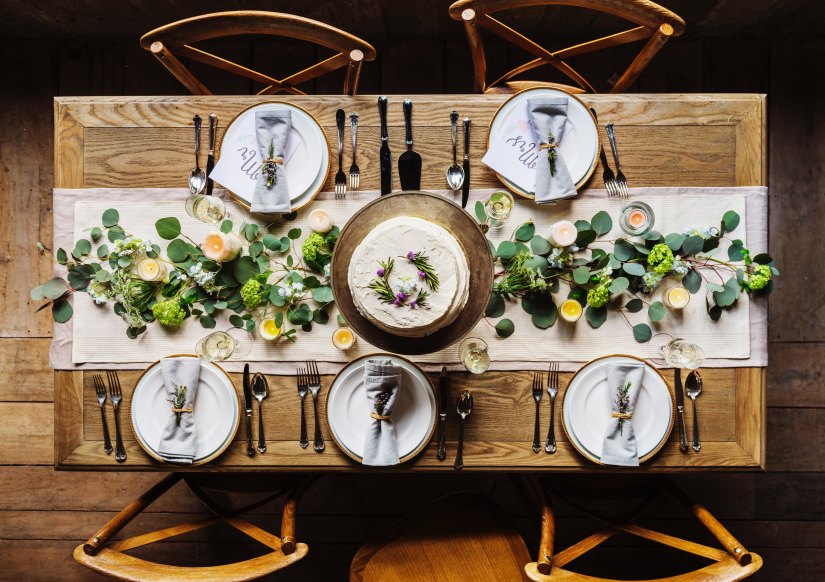
Fall makes me think of harvest which makes me envision gathering and storing up. We can’t help but recognize the shorter days, cooler nights, moving faster toward bare trees, cold and winter.
This transition between seasons from bright to dark makes me think of the past year, globally and locally with terrorism, war, and mass shootings. We’ve had struggles, disappointments, and failures in our life or that of our own families.
How, then, do we get through so much disappointment and express gratitude?
If you want to take a Gratitude Quiz and compare this year’s results with next year’s, go for it. It might be an eyeopener.
But back to the original question: how do we express gratitude?
This isn’t easy, but with practice, it gets easier.
We remember the days of light. The getting up when we’re down. We look back at those times when we tried again or started all over.
We recall that we’ve faced the unknown before, and survived. We’ve had family and friends die but we talk about the memories and what they added to our life.
We remind ourselves that even in the dark, we can push through and grow.
With daily practice, we can feel gratitude. Hopefully, we can express this to our family, friends, or a stranger that gave us support or showed a kindness when we went through the valleys.
A “Gratitude Journal” can get you into the practice of feeling grateful and eventually expressing gratitude. Here are some tips on how to keep such a journal.
I like what Jim Wallis says in his article “Gratitude as a Spiritual Practice” and share it here:
So in a year especially characterized by things that have made me deeply disappointed, concerned, worried, fearful, and angry, let me name my top 10 sources of gratitude at Thanksgiving 2017. (Not in any particular order.)
- Parents who put their children’s lives and well-being as primary in their own schedules.
- The indigenous people who led the way at Standing Rock against the Dakota Access Pipeline and who demonstrated to us the vocation of stewardship for the earth.
- The women who are standing up to tell their stories of sexual harassment and assault — and the men who have called out their peers.
- Black pastors who are willing to speak the truth to power and protect their young people from increasing racism by finding themselves in the streets and not just in their pulpits.
- White pastors who love their people enough to preach the gospel to them, even if their white parishioners are motivated more by the agenda of Fox News than the gospel.
- Black and brown Christians who have called out their white brothers and sisters who say they didn’t vote for Trump because of his racial bigotry, but for other reasons, by saying I guess that wasn’t a deal breaker for you.
- Global church leaders who are willing to exemplify the body of Christ as the most racially diverse community in the world in sharp contrast to the American bubble where racial geography trumps theology, and for American church leaders who are willing to denounce “America First” as a heresy.
- Principled Republican conservatives who have been willing to stand up morally and politically to Donald Trump — like Mike Gerson, Peter Wehner, David Brooks, and Russell Moore.
- Conversations with people who tell the truth like Bryan Stevenson, Michelle Alexander, William Barber, Brittany Packnett, Margaret Atwood, Valarie Kaur, Eboo Patel, Joe Kennedy III, and Mark Shriver.
- Thanks be to the God who loves and sustains us while we try to figure out our strategy every day!
So this Thanksgiving, as I gather with my extended family, the meat eaters and the three vegans, we come together to share the harvest, reconnect and celebrate another year of living.
I wish you and yours a Thanksgiving meal full of reconnections, laughter, and love. I’m grateful to you for reading!

 alvaradofrazier.com