Breast cancer, Chingonas, Grief, Hospice, Parenting, poetry, Wisdom

Hiding From Grief

Before I sat down at the keyboard this morning, my daughter swung open my bedroom door, crying. 

She had just received a text from her close friend that her mother died after a couple of weeks in hospice care. 

Her friends mother had breast cancer several years ago and it returned last year. Her mother was a little younger than I. Her remission was longer than mine.

I’m on a roller coaster of emotions: Sad that this young woman, my daughter’s age, has lost her mother, anxious because I’m seven years out of my own breast cancer diagnosis and the thought of its return not only looms in my face, but in my daughter’s because we know she is at higher risk for BC now. I wanted to yell:

http://www.vinylmaniatshirts.com/breastcancer.html

We hugged until her sobs stopped. Her friend said she’d text again later. My daughter didn’t know if she should go over and see her friend or not, then went back to her room. I didn’t know either. 

My desire to do something to help left me unable to speak out loud. I think I was trying to hide my grief. So I do what I do, I write things out to find answers. 

The first question: Why do I feel anxious?  

The second: How can I help? 

 I began writing on the closest piece of paper. The sadness of hearing this news, coupled with the notice of my aunts impending death last week and my mother’s recent hospital stay, is the main reason I was anxious. My daughter’s grief this morning pushed me over the edge. A mother doesn’t want her children to hurt, kid children or YA children. 

After a few more minutes of writing I wanted to crawl back into bed and cry, but I didn’t. That’s not very chingona for me to start crying while my daughter is upset-I told myself. It was a fleeting thought because I didn’t make it to my bed, I sat in my chair and cried.The anxiety diminished.

My cell phone played its pinball noise. My boyfriend texted “Good Morning, what are you doing?” For once I said exactly what I was doing and why. After a few minutes he texted “I’ll pray for you.” That helped me-a lot.

My daughter came into my room and ask if I thought it’d be okay if she just showed up at her friends house. She noticed my reddened eyes and asked me what was going on. I confessed my reasons for crying which made her cry, “Don’t say that, don’t say ‘what if your cancer comes back.'” 

But I said what has been pent up inside me for a few days, cried again, and said to let me have my feelings. My daughter nodded her head, we hugged and cried some more. I told her it’s okay that she said what she said, I know she’s afraid too sometimes, it’s okay to cry and not know what to do. 

“I’m going to get dressed, go over to see her,” my daughter said, swiping at her tears. 

And then I knew the answer to the second question: How can I help? 

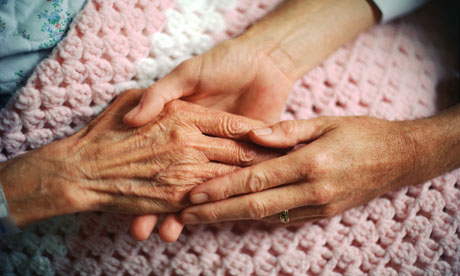
Sometimes the best thing to help someone is to just listen, hug them, hold their hand, acknowledge the pain, be with them, or let them know you’re thinking of them. 

Hiding grief catches up with you. Sometimes crying and not knowing what to do is the most chingona thing you can do at the time. Many times crying, writing, and feeling your feelings helps to end the roller coaster ride.  

Back Toward Light

This poem found me today and I it: 

There is a Sacredness in Tears.
They are the bearers of unspoken prayers, words, pain and hope.

They can reach out and touch hearts, and heal.

Don’t ever take any one’s tears for granted.
And don’t let anyone make you feel bad if you need to cry sometimes.
Feeling – is Healing.

Tears are “Raindrops” – from the Storms of the Soul.
And only You know what Storms you have walked through. ♥

~ Kiran Shaikh


Coping with Grief, Death, Hospice, Parenting, Wisdom

How Do You Process Dying?

Royalty free

Mom yells a lot lately. This is usual and unusual. Usual because she is hard of hearing so she frequently shouts “What?” Unusual because she’s yelling about who didn’t vacuum the carpet correctly, arguing and then dashing to her room crying.  

She has a reason for anger, frustration and tears. Her oldest sister, who has had dementia for four years, is dying and in hospice care. She is not expected to live past six months. 

Mom was orphaned by age twelve. Both her brothers are gone and her youngest sister died of leukemia six years ago. Although no stranger to grief, this news about her sister is incredibly hard for Mom to process and accept.

Growing up with my single parent mom was a lesson in stoicism. Mom talked about strength, not how she felt about circumstances. 

Instead she silently prayed at the bottom of our staircase where a tiny alcove held a delicate figurine of the Virgin Mary in celestial blue robes and gold stars above her head. Moms fingers could work a rosary like a Swiss watch maker works a tiny tool. 

royalty free

As I grew up I learned to discuss feelings, tiny step by tiny step, by reading self help books, the Bible, and talking to friends, and therapists. Before I talked to my mom about my aunt, I read some articles about end of life and hospice care.This is not an area I know well and I wanted to combat my mom’s usual “Be strong,” phrases. Advice that resonated with me was this:

“Maybe they don’t feel strong and need to feel like they can be afraid. You need to give them the space for their fears.”

Finding out a way to give my mom space for her fears was difficult to initiate. Her defenses are still agile.  

Yesterday, before we went to visit my aunt, Mom and I had a conversation. I didn’t want her to pretend everything was okay and then blow up at someone. We discussed that fear, anger, and grief are absolutely normal. 

“How do you feel about going to see your sister?” I asked when we were on the telephone. She cried-a lot.  

When I picked her up the next day to take her to visit I asked her again how she felt. 

“Everyone will be gone, I’ll be alone, all of them gone…do you have my living trust? I have to update it this week.” she says.

The switch from feelings to action were that sudden. 

So I talked about how I felt.  Although I have a biological father, I don’t know him or have any relationship with him. My stepfather, who was estranged from us for most of our life, died last year. None of my cousins have their parents any more. Mom listened and nodded.

My aunt’s deteriorating health and imminent death brings my mom’s own mortality right up to my face, telling me to look at the inevitable, which is much sooner than I’m ready for, if anyone can be ready. I know Mom sees it too. 

We went to visit my aunt, who looked 200% better than she did in the ICU last week, but my mom was last to hug and talk to her. She made busy conversation with my aunts two daughters. We prodded Mom to talk to my aunt about growing up and the old times. My aunt rarely talks, so my mom didn’t think that was a good idea. “She doesn’t recognize me, she won’t remember.” 

However, my mom took a few stabs at talking to her sister. After an hour or so we said our goodbyes. My aunt looked at my mom leaving and grabbed onto the edge of the dining table, pushing herself in her wheelchair after my mom. It was heartbreaking. 

“Mom,” I said as I pushed my aunt’s wheelchair towards Mom. I wanted her to turn around and she finally did. 

“Don’t go,” my aunt said. 

It was then that Mom let tears come into her eyes and felt her feelings, just for a brief minute. All the way home she kept in the tears and talked about visiting again. 

There will be no escaping death. Things won’t get easier, they’ll get hardier. We’ll process it and support our cousins and my mother through this time. And I’m grateful that we have family and friends to talk to about dying and death. We won’t be silent about our feelings.