For years, I’ve written flash fiction, short stories and novels. Sometimes they are published and most times they are not.
But, I celebrate the wins along the writing way. I’m a finalist for SheWrites Press and SparkPress fourth annual contest. There will be two winners: One for the Adult category and one for the Young Adult (YA) category. My submission is for the YA. We’ll find out soon and I’ll post something either way.
Any writer who seeks publication knows how difficult the road to birthing an article, essay, short story or a novel can be. But like the ant going uphill, we persevere.
After twelve years of writing, shelving, and revising stories plus collecting books on the craft of writing, and participating in critique groups and writing organizations, I ask myself:
Just why do I write?
Many of my stories have an element of my life experiences and talking about them on paper is like a release. I have a need to write, to find out and process what I’m feeling or thinking. Sharing struggles is my means of supporting others by letting the reader know that they are not alone. Others have faced similar challenges and made it out alive.
I’m usually thinking and writing about what girls and women go through. Events from my past bounce around in my head and want out. More than a few times, I have a voice talking to me: “Remember when … ?” And then I remember and process the incident on paper.
The act of sharing my writing is scary sometimes. I wonder will I be judged, will someone think I’m writing about them, will someone get angry? But most of the time, I don’t care, because the act of writing is a release that I need. And for an introvert like me this sharing is a relationship with one reader.
Writing is an intimate act. It’s risky. But there’s something about the flow on words onto a white slate that invigorates a writer. Each page is a new creation.
I like the way I get lost in writing, how I go into a deep hole or a far away tangent and then reread my stuff and laugh. Or cry. Or erase.
Mostly, I write to highlight the experiences of love, loss, and other challenges of women and girls. I write to amplify their strength and resilience in the face of obstacles and dire circumstances.
I know I’ll keep writing whether I publish a novel or not. Because that is not the end game, but I can’t lie, it sure would be nice!
“It is the deepest desire of every writer, the one we never admit or even dare to speak of: to write a book we can leave as a legacy. . . . If you do it right, and if they publish it, you may actually leave something behind that can last forever.”
Are you trying to push Covid-19 behind you? I am. Especially since I’m awaiting a test to see if I’m positive or not. Hopefully, not. A family member who tested positive is asymptomatic but everyone in the household decided to get a test.
So, while we’re waiting and isolating, I’m reading and writing. With New Year’s rapidly approaching, and the annual group festivities out the window, I found these traditions from around the world that you can do while isolating or semi-isolating.
Traditions are important, to me, because they give a feeling of continuity and security. Through the decades, my traditions have changed from parties to fancy dinners out, to family dinners, movies with my teens, and the past few years to watching the ball drop on television or YouTube.
This year, I’m saying good riddance to 2020 and adopting a couple of rituals from other countries to celebrate and embrace the new year.
Argentina:
From the land of Tango, they celebrate New Year’s Eve with a bowl of beans. People believe that eating beans before the clock strikes midnight means they will have good luck in their careers in the year ahead. (I think this one is a practical joke, myself, if you get my drift).
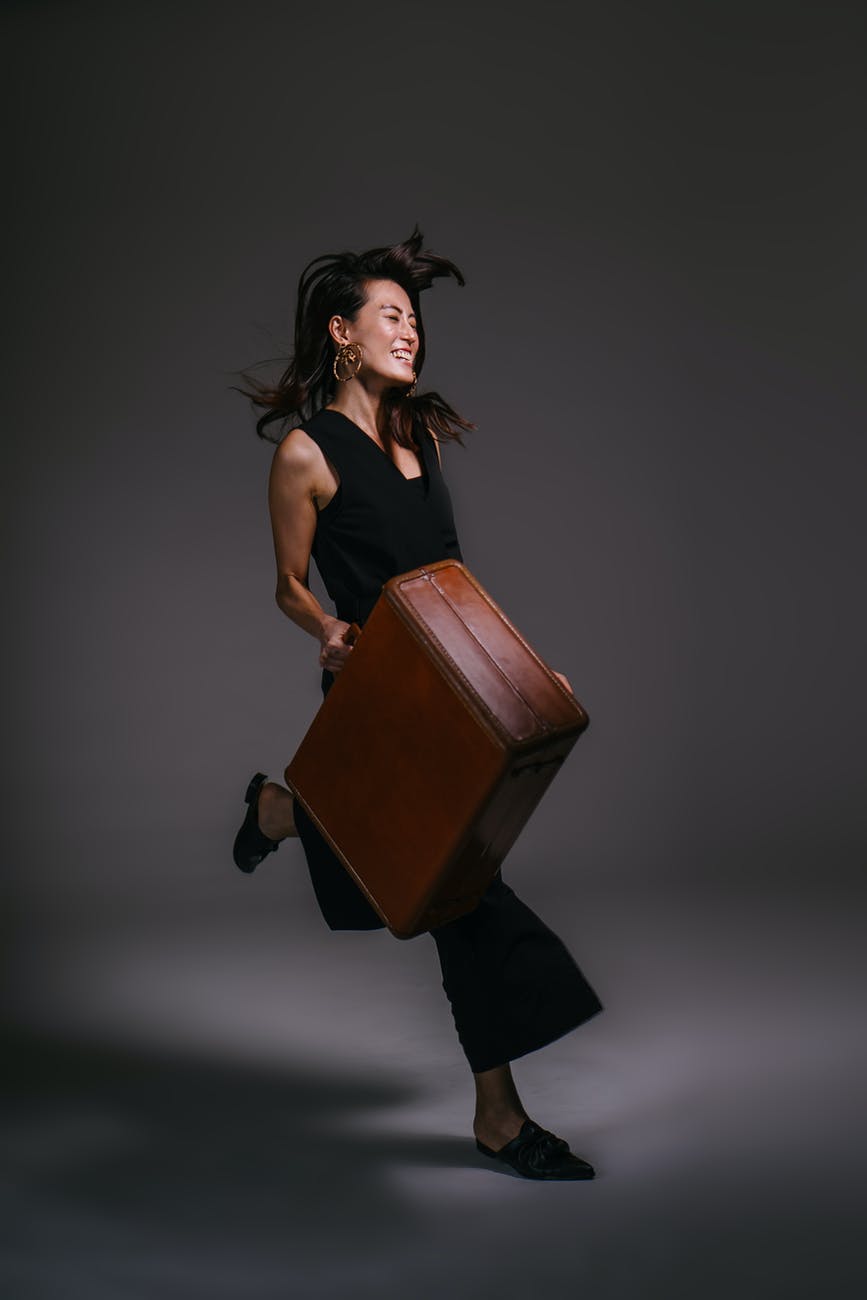
This is a tradition where you get your last steps in for the evening. It’s tradition to grab a suitcase and run around the block in the hopes of traveling in the new year. This is to be done at midnight.
Uh, no. This one is not for me. I’d be traveling to the hospital from slipping on wet concrete or dog poop.
Denmark:
A bit of travel, but only from a chair to the floor. Just before midnight, stop what you’re doing and get on a chair to execute the jump like a Dane would. If you don’t jump, it’s said that you’ll bring bad luck for the following year, so please, I’m begging you — do not forget to jump. If you’re a Dane. If you’re not, it’s optional.
Ecuador:
A bit of fire and smoke: People head outside to burn effigies that symbolize the year. By lighting the effigy on fire, you’re letting the bad of the year go and moving onto the next.
Do you think a CoVid piñata would suffice? What would you burn in effigy?
Germany:
Berliners-German Doughnuts
Yum, doughnuts. Germans enjoy a traditional treat of jam-filled, and sometimes liquor-filled, “Pfannkuchens” in Berlin and “Berliners” everywhere else in Germany. Sometimes, a donut may contain a practical joke, like mustard instead of jam, which is considered by some to be bad luck. They also dine on marzipan pigs for good luck on New Year’s Eve — which they also call Sylvesterabend.
Greece:
The simplest tradition involves onions. Lots of them. On a string. On their door to encourage growth. They make up for this ritual by baking a vasilopita on New Year’s Day. A coin is hidden in the cake. Whoever finds the coin is said to have a year of good luck. (I hope they use a fork for the cake and don’t bite into a piece).
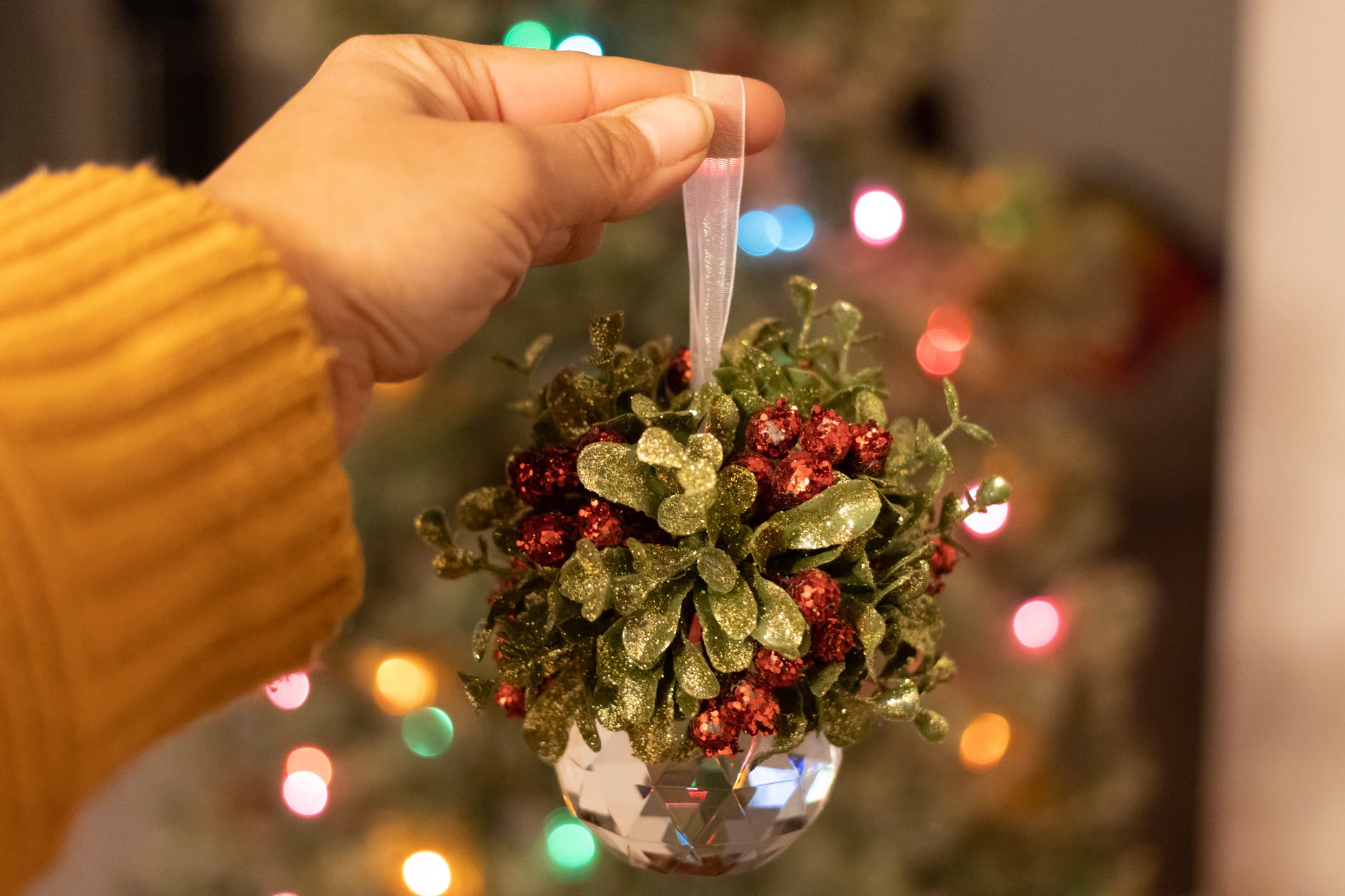
Single women of Ireland place sprigs of mistletoe under their pillows on New Year’s night in the hope that it will bring them better luck and a future husband. (I am on a quest now for mistletoe).
Japan:
Nengajo Cards
Yes, finally food items. Japanese tradition of eating Tosikoshi Noodles or “year-crossing” soba, which can symbolize having a long and fortunate life along with a clean break from the year.
On New Year’s Eve, there is also a tradition in the Buddhist temples. They ring their bells 108 times to welcome Toshigami, the New Year’s God. A nice gesture is sending thank-you cards called nengajo that wish a Happy New Year and give thanks to friends and relatives.
Mexico:
More food, lots of it, too. In the U.S, we (Americans of Mexican ethnicity or Chicanos or Latinos/Latinx) eat up the last of the Christmas tamales as part of a big dinner.
In some parts of Mexico, the dinner celebration also includes Bacalaó which is salted cod. Also followed by eating twelve grapes for twelve wishes (a tradition in Spain), fireworks, and sparkling wine.
Puerto Rico:
More food. Latinx enjoy food and family and celebrations together. Traditional food is served like arroz con gandules, roasted pig, pasteles, coquito, pitorro, rice pudding or tembleque.
If you’ve never had coquito, you’re missing out. This rummy, creamy, coconut drink recipe can be found on LiYun Alvarado’s website (no relation, but friends).
In Puerto Rico, people throw a bucket of water out of their windows to drive away evil spirits. They also sweep the house and yard clean. Brushing out the old to make room for the new sounds right to me.
Russia:
Grab a piece of paper, write down your wishes for 2021, and light the paper on fire. (stick to Post-It size). Once it’s stopped burning, sprinkle the wish-filled ashes into a glass of champagne and drink up after the clock strikes midnight. (Uh, no. I’m not ruining a perfectly good glass of champagne).
Now, this is easy and healthy (unless you have diabetes; in that case stick to 8 grapes). Las Doce Uvas de Suerte (the 12 grapes of good luck) are placed in a bowl or cup. When the clock strikes midnight, start downing the grapes, one at a time. You must finish in a minute.
For bonus points: A pair of red underwear can bring you a new year of love, while yellow may bring joy and fortune.
Several Latin American countries do grapes and underwear. I’m making sure my red ones available. I’m thinking of wearing yellow ones on top, too.
So, there you have it. Twelve traditions from around the world.
I’d love to hear about your traditions, especially from countries not listed.
Wishing you and yours a safe, healthy New Year’s Eve whatever you do.





 alvaradofrazier.com