
“Out with the old, in with the new.” I don’t like that saying for several reasons, mainly because many old things have value.
But, there is also truth to the phrase. Making room for the new is worthwhile.
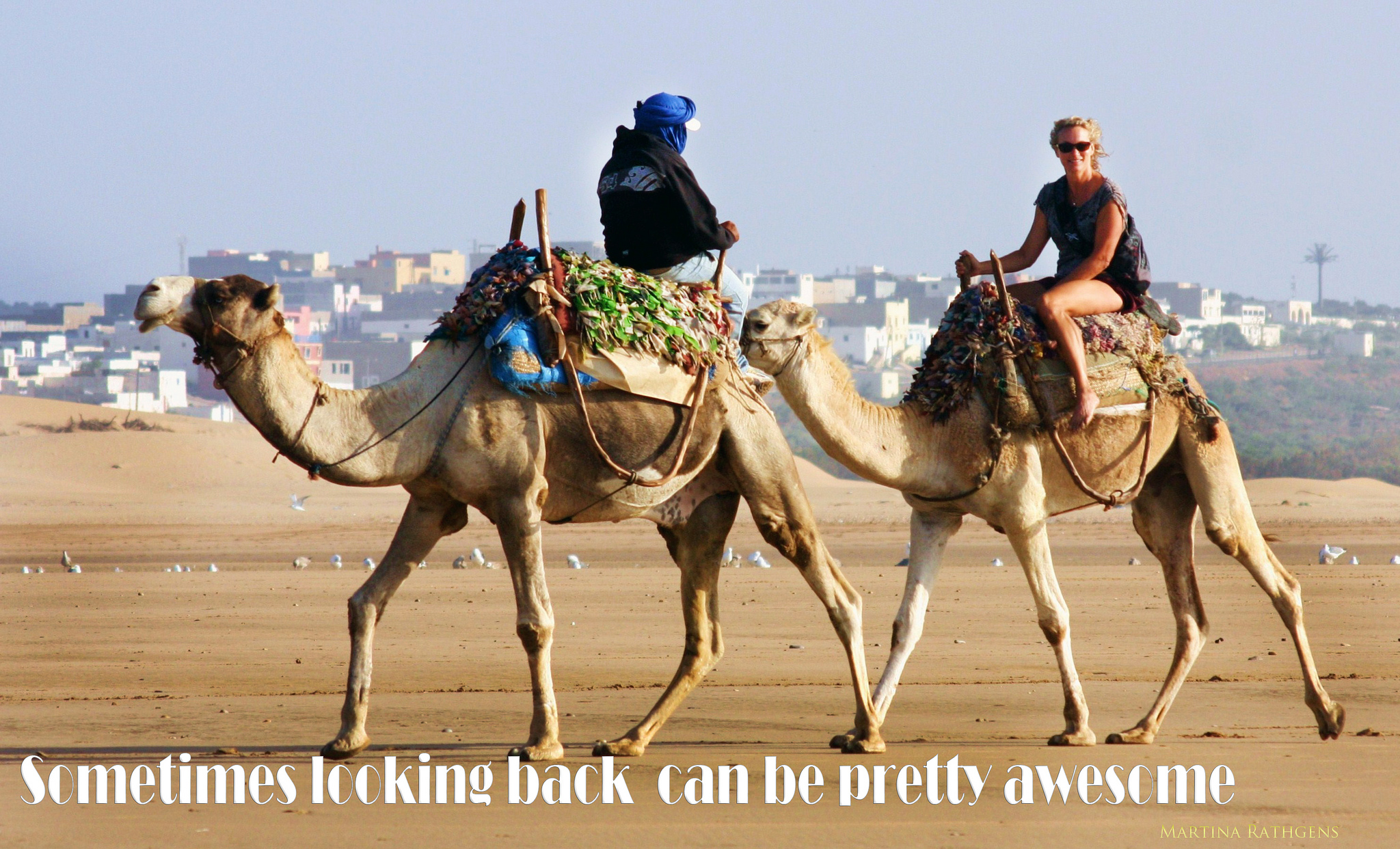
A year end review (let’s give this an acronym: YER) is all about looking back. Not to criticize or judge yourself and not necessarily to reflect on what you accomplished but to look back and see what you did and did not do.
A YER applies to any facet of your life: writing, drawing, poetry, cooking, crafting, (insert passion here).
For me, it’s about reflecting on what I’ve done in my writing life.
Here are my reasons for doing a YER:
1. Discovery- If my writing life is contained in a garage, I envision stepping in and searching through the shelves, opening file cabinets, investigating boxes, and poking about the dark corners.
What did I actually do? Is it what I wanted to spend my time on? Did this satisfy me?
I find notes of support, several manuscript rejection emails, a writing conference receipt, a writing fellowship rejection, numerous blog posts, two books on writing craft, 15 fiction books, several poems and an acceptance letter into a mentorship program.
There’s some valuable stuff in that garage. There’s also some dog poop and pee.
2. Appreciation-Look over what you’ve done this past twelve months, close to 365 days, not with a critic’s eye, but with an awareness of what you’ve done.
Highlight some of your favorite sentences, poems, art. “Oh yeah, I did that,” you can say. Post these items on your bulletin board, computer, or wherever you can remind yourself that you did some good stuff-not that this was easy, but you worked at making good stuff. You persevered.
Appreciate the high points and not so favorite parts of your art. Tell yourself: “I took that risk, didn’t work out, but I learned something.”
Recognize that you committed to something. You pushed the envelope. You took action.
3. Motivation-Where did your motivation come from this past year? Are there common themes or images? Why do you think you delved into these areas this past year? Are you still driven to spend your passion on these areas? What inspires you now?
4. Service- Who did you help or what did you bring to light with your passion? Did you share information, resources, increase awareness, touch someone’s heart, or contribute to a community?
Could you do more? (That’s a loaded question, we know we can always do a bit more).
5. Gratitude-What are you thankful for?
I’m encouraged by your thoughtful blog post comments, for allowing me into your life for a glimpse of your world, for sharing your passion and helping me to fuel my own.
I’m amazed when someone subscribes to my blog, comments, or clicks “like.” Thank you for your time. I know it’s valuable.
Our passions are many times a solitary venture so I’m grateful to have a close knit group of writing friends-women who support, encourage, and critique my fiction writing and efforts.
I’m grateful for the patience my family shows me when they know I need quiet in the mornings, when I don’t answer texts or phone calls before 10 a.m., or when I’m spending time away from my home to write.
By going through this exercise, I found I could pat myself on the back (it’s really okay to do that), gently kick myself for wasting time (social media), and feel motivated to continue on with my writing.
I have big plans for 2015 and I’m excited to get started on new adventures.
What are your plans?
 alvaradofrazier.com