Latino culture

A to Z Challenge Day 4: D is for Dale

Today’s is day four of the A to Z Blogging Challenge. The letter is D, and the word today is Dale.

Not Day-el, as in Roy Rogers and Dale Evans.

Dale is pronounced Dah-ley in Spanish. It’s from the verb ‘dar,’ which means ‘to give.’

Since we rarely spoke in full Spanish sentences (for reasons I pointed out in day 1) we did use a lot of Spanish slang and phrases.

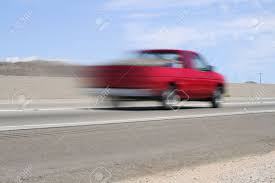
The phrase I often heard from my aunts and uncles was “Dale gas.” Literally, it means “Give it gas,” but can be used in a sentence which means,”Step on it!”

¡Dale gas, hombre, que no llegamos! Can’t you drive faster? Come on, step on it or we’ll be late!
 

Dale gas

The word ‘dale’ can mean “say,” as in Dale un saludo a tu madre. Say hello to your mother.

Most often Dale is used as an encouragement. You can hear the word shouted by bilingual parents at a child’s soccer, baseball, or other sports game:
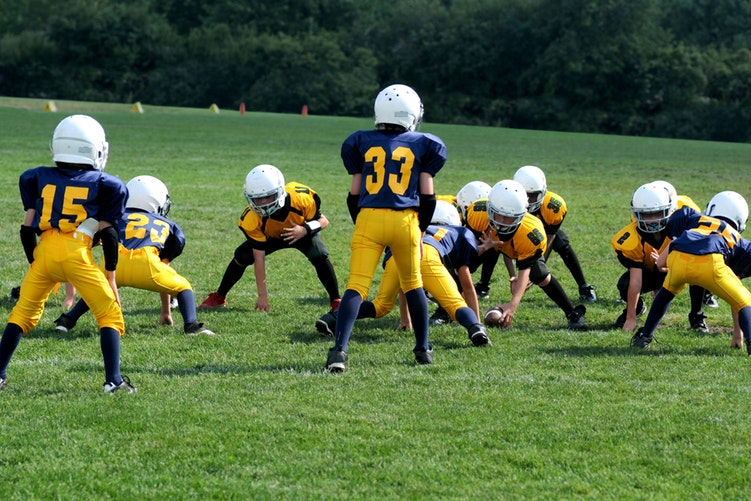
photo by Ben Hershey for unsplash.com


Go ahead!

Do it!

Go for it!

Give it to them!

We use a lot of exclamation points when we talk.

Seems easy enough, but never confuse “Dale” as a single word when telling a friend to say hello to their mother:

Dale a tu madre, because that my English speaking friends, is a very profane statement!
 

Latina, Latino culture, Latino family tradition, Parenting

A to Z Blogging Challenge: C is for Chancla

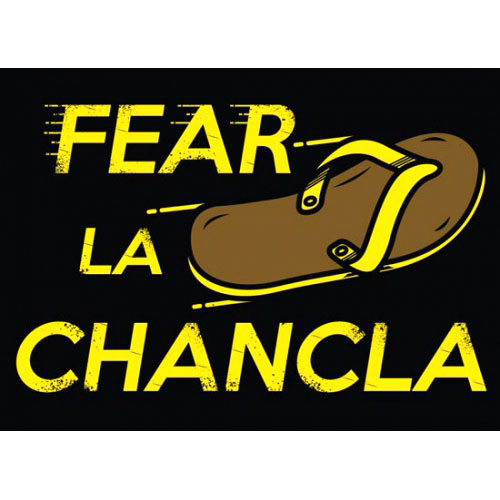
The flying chancla, this one is yellow, can be any color or size.

Hello to the third day of the A to Z Challenge. Today’s letter is C and C is for “CHANCLA.”

Chancla is the deadliest word of the alphabet for those who grew up in a Mexican or Latino household.

A chancla looks benign, especially when on the foot. The word means flip-flop or slipper or sandal. If the chancla can easily slip off,  fly in the air and hit a target in one swoop, it’s a chancla.

In our house, it was a one size fits all tool of discipline.

There were warnings before the removal and use of the chancla:

1-The narrowing of Mom’s eye’s as she spied one of us acting up. You could escape or stop misbehaving.

2-The slight bend of the body to the right which meant she was reaching for the chancla. You can still escape or say ‘okay, I’ll stop.’

3-The swift removal of the chancla, thumb on the heel, sometimes a twirl before a blur of chancla flew through the air and hit its target. Usually one’s head, shoulder, or back. You’re a world-class runner if you escape during the execution of the third step.

Everyone I knew had a chancla wielding mom or grandma and no one thought they were being abused. Most of the time a kid didn’t pass number two above, “the bend” before they stopped misbehaving.

The chancla brandished by a mom was preferable to what a dad would employ, another C word, the cinturon (belt).

To make it super easy for one to understand the power of the chancla, and its widespread fame here’s a video about La Chancla

Many younger Hispanic households do not endorse the use of the chancla, for the reasons listed here.

I don’t endorse or not endorse the chancla, it was a reality in my household and used sparingly. And by sparingly I mean I outran the flying chancla most of the time.

I can’t run like that anymore.